
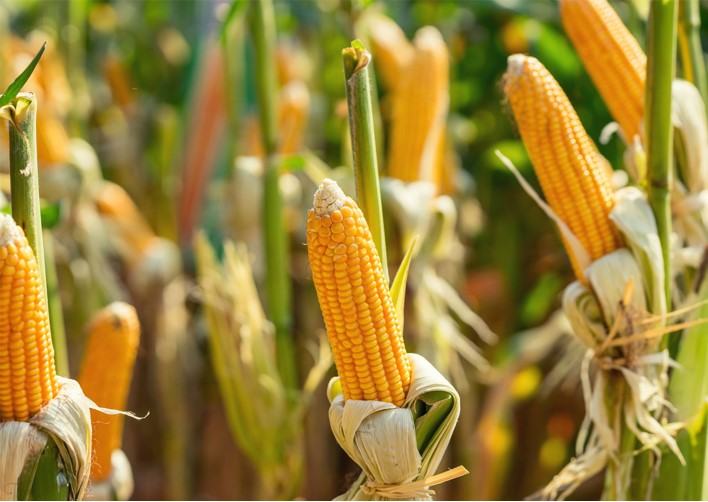
The European Food Safety Authority (EFSA) Panel on Genetically Modified Organisms (GMO Panel) has published their assessment on the safety of five-event stack genetically modified (GM) herbicide tolerant and insect resistant maize MON 89034 × 1507 × MIR162 × NK603 × DAS-40278-9. The Scientific Opinion is published based on the application EFSA-GMO-NL-2018-151 under Regulation (EC) No. 1829/2003 received from Dow AgroSciences LLC. The…
Read More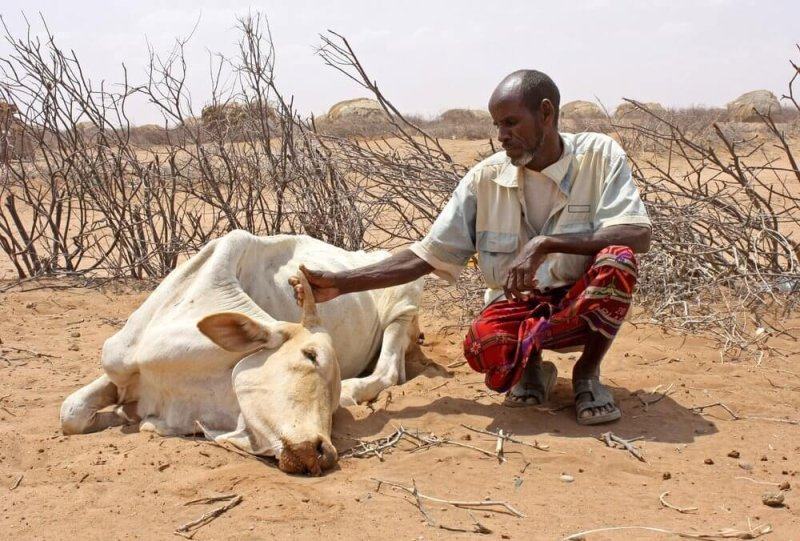
Kenyan farmers are far too familiar with the devastation that resource shortfalls cause to their livestock. Punitive local tax regimes, technical restrictions, challenges in access to foreign currency and logistics disruptions — most of these exacerbated by the pandemic — have been dragging Kenya’s bid for seamless [grain] importation back. A problem with accessing yellow…
Read More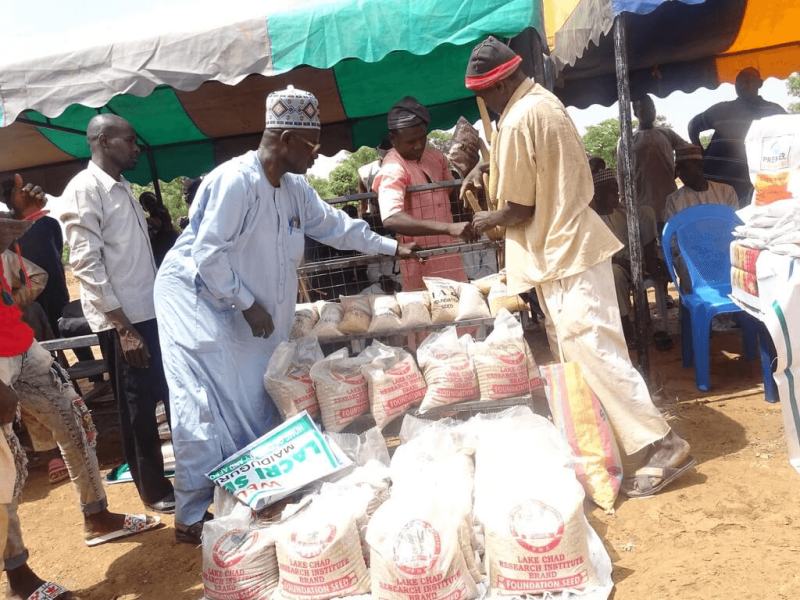
Nigerian leaders are urging other West African nations to adopt genetically modified cowpea given their own success with the crop. They’re also sharing tips on how to avoid the mistakes they made in rolling out GM crops, including cowpea engineered to include a gene from bacillus thuringiensis (Bt), which provides inherent protection against the destructive pod borer pest. Prof.…
Read More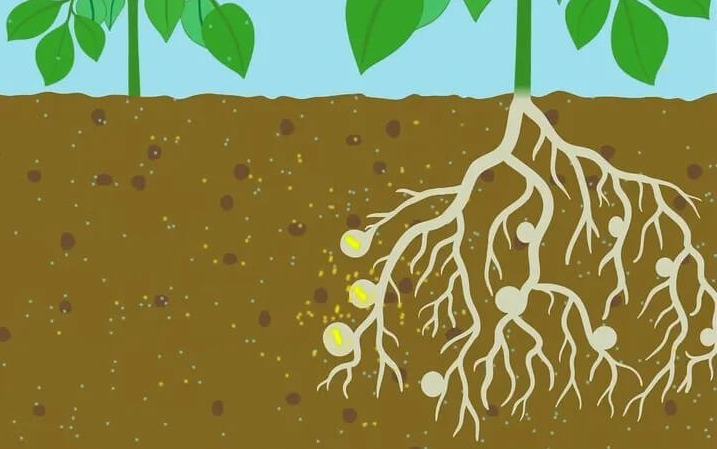
The price of artificial fertilizers has skyrocketed, especially in the past year. Improving nitrogen fixation can make farming more sustainable. Renowned botanist Eduardo Blumwald, professor at the University of California, and his team have found a new way to give cereal crops the nitrogen they need to grow. This invention can reduce nitrogen pollution in grain cultivation.…
Read More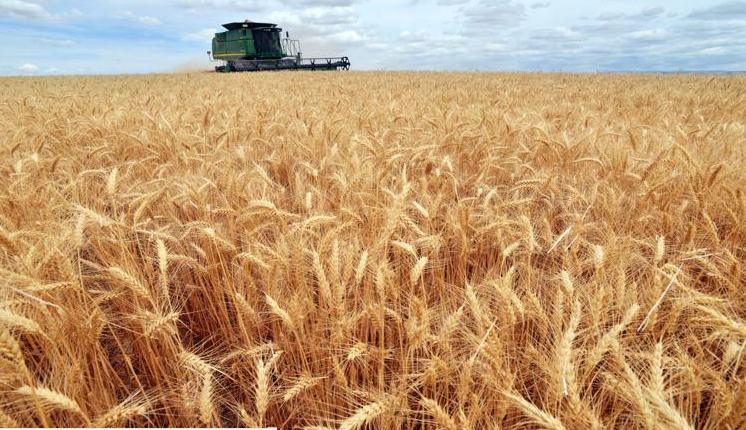
Wheat Scientists have developed a gene-editing method that allows cereal crops to benefit from nitrogen-fixing bacteria Scientists have developed a gene-editing strategy that allows cereal crops to benefit from bacteria that pull nitrogen from thin air. The discovery has the potential to decrease farm input costs and water pollution by making wheat, corn, rice and…
Read More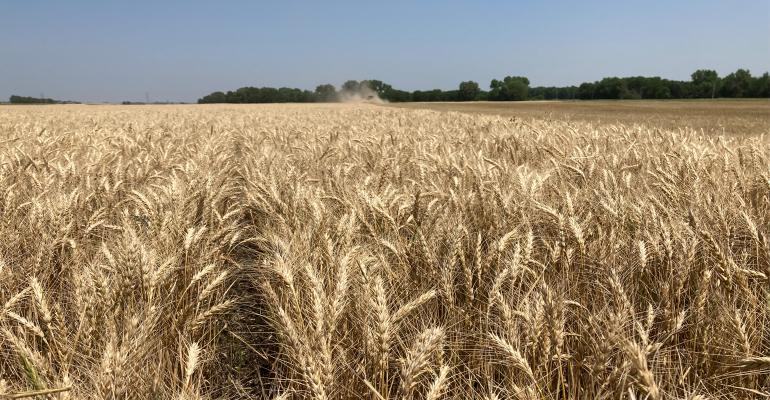
Kansas farmers, like many farmers across the Great Plains and the West, have felt the harsh effects of severe drought through 2022. But in the future, they may have one more tool in the toolbox to battle drought’s effect on their wheat crops. It’s a wheat trait called HB4, and it offers drought tolerance in…
Read More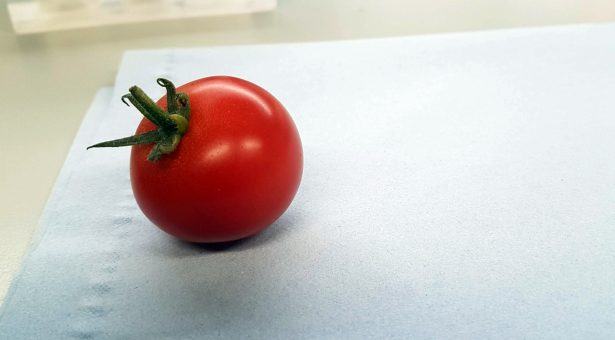
Tomatoes gene-edited to produce vitamin D, the sunshine vitamin, could be a simple and sustainable innovation to address a global health problem. Researchers used gene editing to turn off a specific molecule in the plant’s genome which increased provitamin D3 in both the fruit and leaves of tomato plants. It was then converted to vitamin…
Read More
Argentina’s new genetically engineered, drought-tolerant wheat could have large environmental benefits. In October 2020, Argentina approved the world’s first genetically engineered wheat for cultivation and consumption. Production expanded dramatically in 2021, and will continue to expand in 2022, after Argentina received regulatory approval in late 2021 for exports to Brazil, a major consumer of Argentina’s…
Read More
This article or excerpt is included in the GLP’s daily curated selection of ideologically diverse news, opinion and analysis of biotechnology innovation. It is posted under Fair Use guidelines. Research into the gene editing of plants in the UK will become much easier with new rules brought forward by the government that will encourage field…
Read More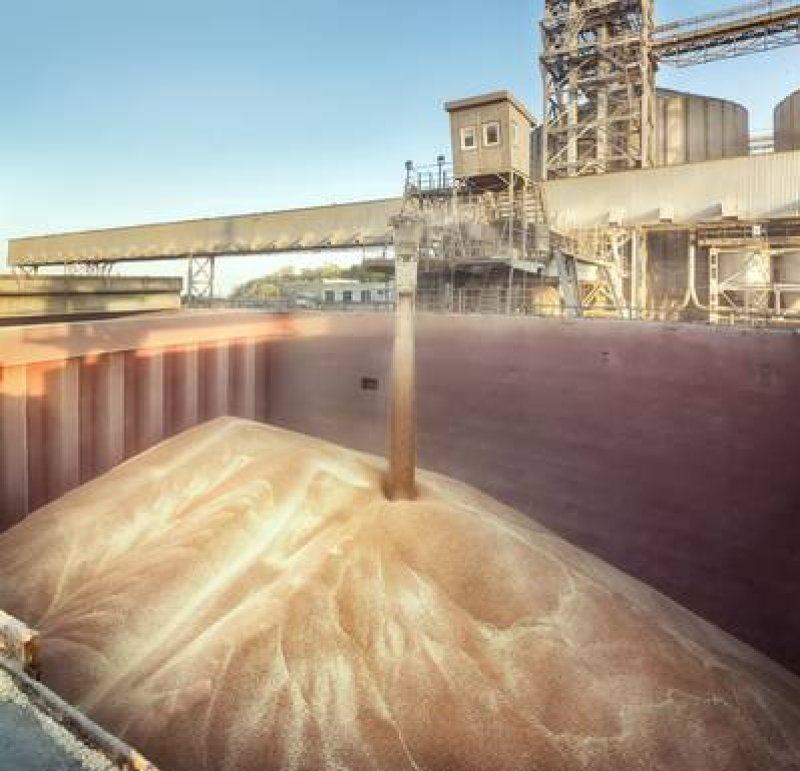
A cargo of soy. China aims to reduce its dependence on soy imports. Credit: Igor Strukov via Adobe Stock This article or excerpt is included in the GLP’s daily curated selection of ideologically diverse news, opinion and analysis of biotechnology innovation. It is posted under Fair Use guidelines. China’s status as the world’s largest importer…
Read More